

What is Soil
Microbiology?
Sustainable growth starts beneath the surface.
Soil microbiology is the living network of beneficial microorganisms that interact with plant roots, organic matter, nutrients and water. These microorganisms help transform the soil from a simple growing medium into a living system that can feed, protect and support the plant throughout its development.
When soil biology is active, roots work better, nutrients become more available and crops can respond more efficiently to stress, water demand and growth pressure.
Soil is Not Just Dirt.
It is a Living System.
Healthy soil contains bacteria, fungi and other microorganisms that perform essential biological functions around the root zone. These organisms help release nutrients, improve nutrient exchange, support root development and create a more balanced environment for plant growth.
A crop does not grow only because nutrients are added. It grows better when the biological system around the roots is active, balanced and capable of supporting the plant naturally.
The Soil Rhizosphere
The rhizosphere is the narrow region of soil directly influenced by root secretions and associated soil microorganisms. It contains up to 100 times more microbial activity than bulk soil, acting as the plant's stomach and defense engine.
Symbiotic Cooperation
Plants feed soil microbes with carbon exudates (sugars) through their roots. In return, bacteria and fungi solubilize mineral nutrients, fix nitrogen, and absorb water from deep soil networks to feed the plant.
Why Microbiology Matters for Plant Growth
Beneficial microorganisms help crops perform better by improving the relationship between the soil, the roots and the plant.
Mayor Disponibilidad de Nutrientes
Ciertos microorganismos transforman los nutrientes presentes en el suelo en formas asimilables para las plantas.
Desarrollo Radicular Más Fuerte
Un entorno microbiano activo estimula el crecimiento de la raíz y expande su capacidad de absorción.
Condiciones de Suelo Optimizadas
La actividad biológica mejora la estructura viva del suelo, favoreciendo un equilibrio productivo duradero.
Soporte Natural contra el Estrés
Microorganismos benéficos ayudan a responder mejor al estrés hídrico, salinidad, calor y clima extremo.
Menor Dependencia Química
Al mejorar el reciclaje de nutrientes, se reduce gradualmente la necesidad de fertilizantes sintéticos.
When Soil Biology is Weak, Crops Work Harder
Many crops depend heavily on external inputs because the biological activity in the soil has been reduced over time. Intensive chemical use, compacted soils, poor organic matter management and repeated crop cycles can weaken the microbial life that supports plant growth.
When the soil loses biological activity, plants may need more fertilizer, more corrective applications and more intervention to achieve the same results. This increases operational pressure and can reduce long-term soil productivity.
The goal is not only to feed the plant today. The goal is to rebuild the biological system that helps the plant perform better season after season.
The Symptoms of Biological Depletion
Nutrient Lock-out
Phosphorus, potassium, and microelements bind to chemical lattices in the soil and remain inaccessible to roots without microbial solubilization.
High Water Loss
Lacking mycorrhizal spongy networks, the soil loses moisture quickly, leaving crops highly susceptible to heat waves and short dry spells.
Pathogen Vulnerability
Depleted soils leave root systems bare. Pathogens like Fusarium, Pythium, and nematodes face no microbial competition and colonize the root zone easily.
Synthetic Dependency
Chemical fertilizers provide temporary leaf green-up, but degrade micro-life, requiring ever-increasing applications to match previous yield results.
How Beneficial Microorganisms Support Crops
Nitrogen Fixation
Some bacteria help convert atmospheric nitrogen into forms that plants can use, supporting natural nutrition and reducing dependency on synthetic nitrogen sources.
Mineral Solubilization
Beneficial microorganisms can help unlock phosphorus, potassium and micronutrients that may already exist in the soil but are not easily available to the plant.
Root Zone Protection
A healthy microbial community helps create a more balanced root environment and supports natural competition against harmful organisms.
Mycorrhizal Support
Mycorrhizal fungi help extend the functional reach of the root system, improving access to water and nutrients beyond the immediate root zone.
Biological Soil Recovery
Microbial activity helps restore biological function in soils affected by compaction, depletion or excessive chemical pressure.
Biblioteca de Cepas Bacterianas
Explora las 21 bacterias especializadas que impulsan la nutrición, solubilización mineral, biocontrol y tolerancia al estrés en la agricultura moderna.
Rhizobium japonicum
Forma nódulos radiculares en soya y leguminosas, convirtiendo el nitrógeno atmosférico (N₂) en amonio (NH₃) asimilable.
Azotobacter chroococcum
Bacteria aeróbica libre fijadora de N₂ en cultivos no leguminosos. Produce compuestos antifúngicos contra Fusarium sp.
Azotobacter vinelandii
Fija N₂ y activa vías fisiológicas que permiten a la planta mantener turgor celular y sobrevivir en sequía extrema.
Azospirillum spp.
Fijadora de N₂ libre/asociativa que incrementa la masa de raíces hasta un +30% en cultivos de maíz, trigo y gramíneas.
Acetobacter diazotrophicus
Fija N₂ intracelularmente dentro de los tejidos de cultivos ricos en azúcar (caña), reduciendo la dependencia sintética.
Rhodopseudomonas palustris
Bacteria púrpura no sulfurosa que fija nitrógeno, recicla azufre y produce aminoácidos bioasimilables en suelos inundados.
Bacillus licheniformis
Descompone fósforo y potasio inorgánicos, mejora la porosidad y aireación del suelo y secreta citoquininas y auxinas (AIA).
Bacillus megaterium
Aumenta la disponibilidad de fósforo mediante secreción de ácidos orgánicos y enzimas de liberación mineral.
Bacillus polymyxa
Fija N₂, solubiliza N-P-K, sintetiza auxinas y estimula la resistencia sistémica adquirida contra patógenos de raíz.
Bacillus pumilus
Resiste estreses salinos y térmicos, promueve altos porcentajes de germinación y sintetiza fitoformonas de desarrollo.
Bacillus endophyticus
Habita tejidos vegetales sin causar enfermedad, secreta enzima ACC deaminasa y trabaja en sinergia con hongos micorrícicos (AMF).
Bacillus laterosporus
Descompone fósforo inmovilizado en el suelo, secreta sustancias antimicrobianas y actúa como biopesticida e ingrediente probiótico.
Acidithiobacillus ferrooxidans
Oxida hierro ferroso y azufre en entornos fuertemente ácidos o calcáreos, liberando hierro bloqueado a largo plazo.
Bacillus subtilis
Agente biológico activo que combate hongos fitopatógenos interrumpiendo su adherencia y fortaleciendo la defensa vegetal.
Bacillus amyloliquefaciens
Produce iturinas y surfactinas antibacterianas/antifúngicas de amplio espectro con alta resistencia esporulante.
Bacillus thuringiensis (Bt)
Produce cristales proteicos (toxinas CRY) que atacan selectivamente el intestino de plagas sin dañar fauna benéfica.
Pseudomonas fluorescens
Coloniza rápidamente la rizosfera produciendo sideróforos quelantes de hierro que suprimen fitopatógenos del suelo.
Pseudomonas chlororaphis
Sintetiza antibióticos tipo fenazina para erradicar patógenos fúngicos y optimizar la absorción de hierro en raíces.
Pseudomonas striata
Antagonista directo de fitopatógenos mediante antibiosis y desencadenador de fitoalexinas de resistencia en la planta.
Pseudomonas putida
PGPR versátil capaz de descomponer y detoxificar residuos químicos y plaguicidas en suelos agrícolas agotados.
Bacillus coagulans
Bacteria esporulada termofílica tolerante a ambientes extremos, utilizada para normalizar microbiotas e inmunidad.
Microbiology is the Foundation of Sustainable Crop Growth
Fostering sustainable growth means producing stronger crops without weakening the natural system that supports them. Soil microbiology plays a key role in this process because it helps the crop use water, nutrients and root activity more efficiently.
A biological approach does not simply focus on the next application. It focuses on improving the entire growing system: the soil, the roots, the plant and the microbial life that connects them.
With a more active biological system, growers can support healthier crops, improve long-term soil function and move toward a more sustainable production model.
Chemical Inputs Feed the Plant.
Biology Feeds the System.
Conventional inputs can be useful for immediate correction, but they do not always rebuild the biological foundation of the soil. Biological technology works differently: it supports the living system that helps crops perform better over time.
| Conventional Chemical Approach | Biological Approach |
|---|---|
| ✗Feeds the plant temporarily | ✓Supports the soil-root-plant system |
| ✗Can increase dependency over time | ✓Helps improve biological efficiency |
| ✗Nutrients may leach or wash away | ✓Supports nutrient cycling |
| ✗Focuses on short-term correction | ✓Supports long-term soil function |
| ✗Soil biology may remain depleted | ✓Activates beneficial microorganisms |
| ✗Repeated input pressure | ✓More sustainable crop management |
Three Biological Solutions Working as One System
Innovatech Bio uses biological technology to support different stages of plant and soil health. Each product plays a specific role within the growing system.
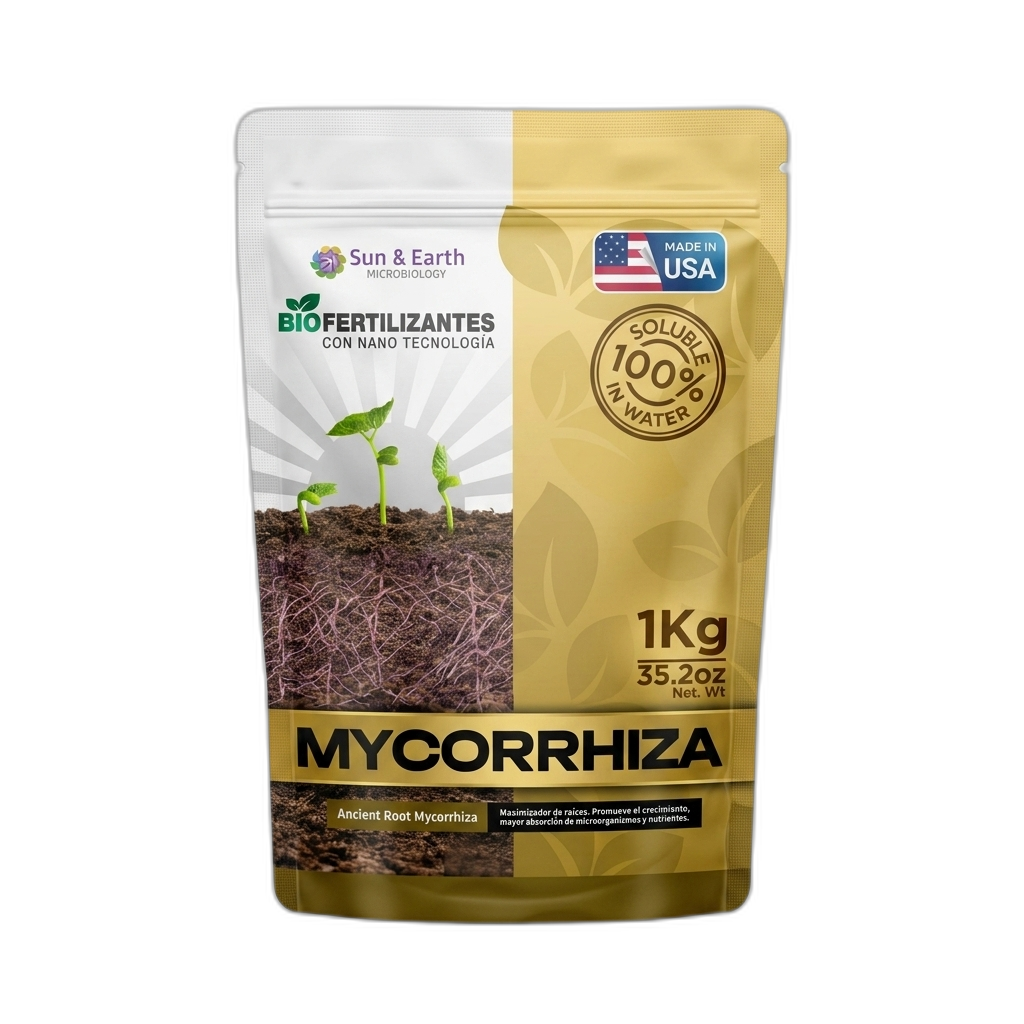
Ancient Root Community
Mycorrhizal support for root development, nutrient absorption and soil regeneration.
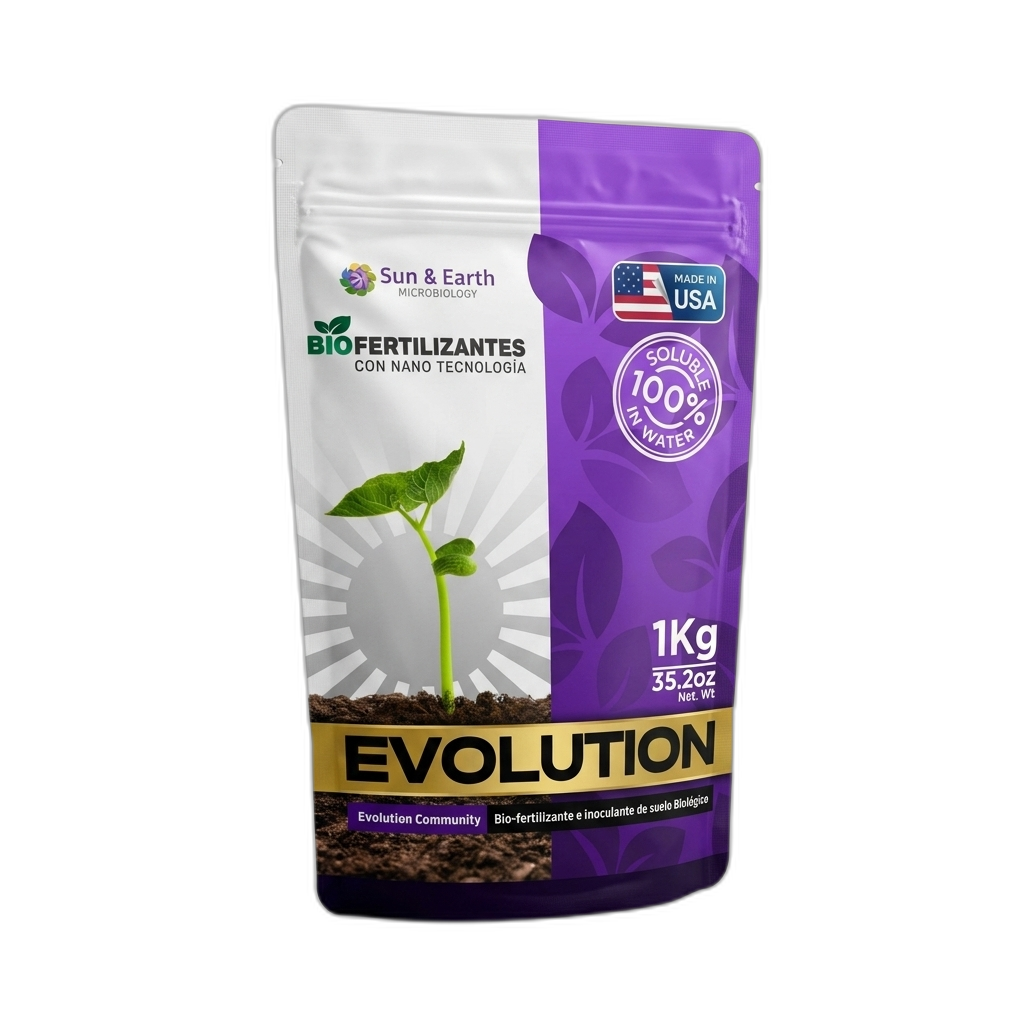
Evolution Community
A bacterial biological solution designed to support nitrogen fixation, mineral availability and root-zone activity.
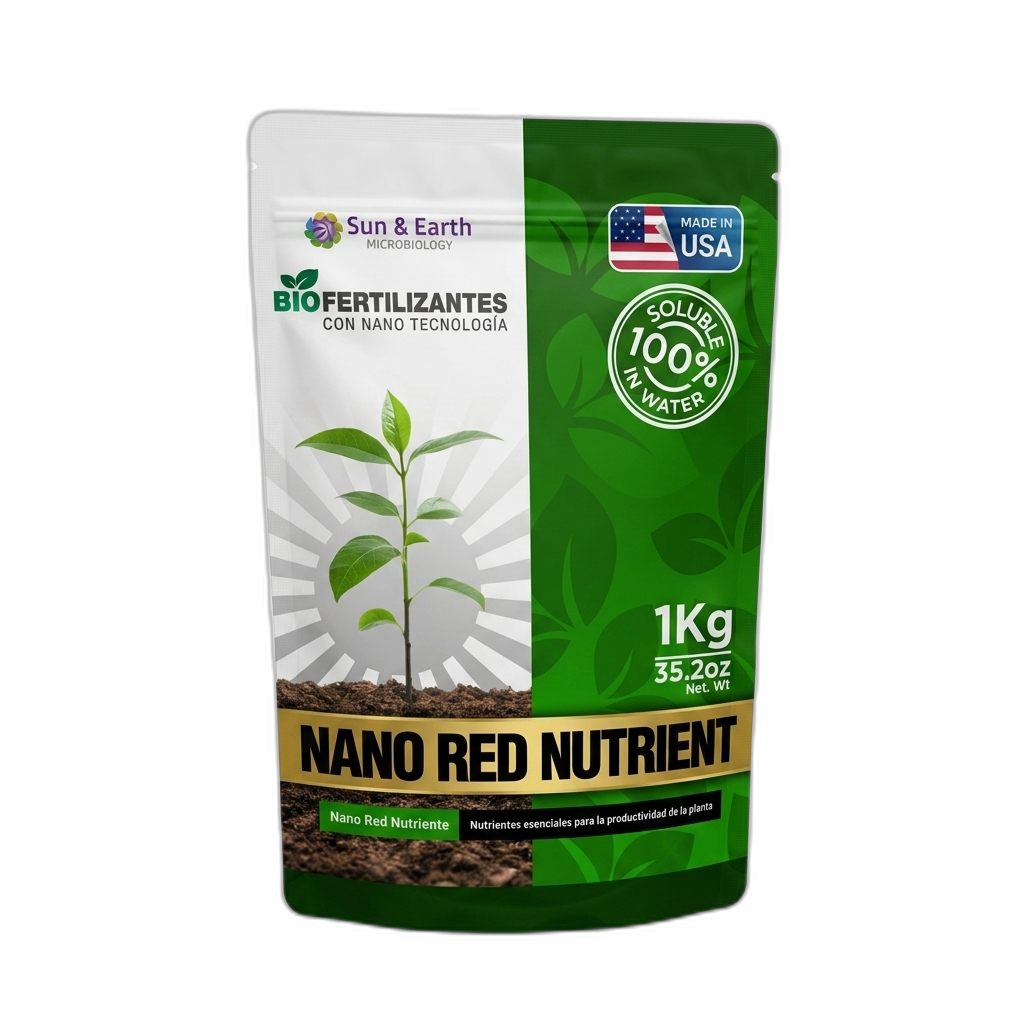
Nano Red Nutrient
A fast-acting biological nitrogen source designed to support vegetative growth, leaf development and visible plant vigor.
Who Can Benefit from Soil Microbiology?
Soil microbiology is useful for growers and plant systems of many sizes, from commercial agriculture to nurseries, landscaping and home gardens.
Ready to Activate the
Biology in Your Soil?
Tell us about your crop, soil conditions and production goals. Our biological specialists can help recommend the right Innovatech Bio protocol for your operation.